Layout around the work
- Can panels sit clear of scissor lift paths, telehandler turns, and generator cabling? Offsets reduce snags and unplanned moves.
- In dense blocks, plan for pedestrian pinch points and emergency access lanes, especially near preserved corridors with limited egress options.
Ground and weather considerations
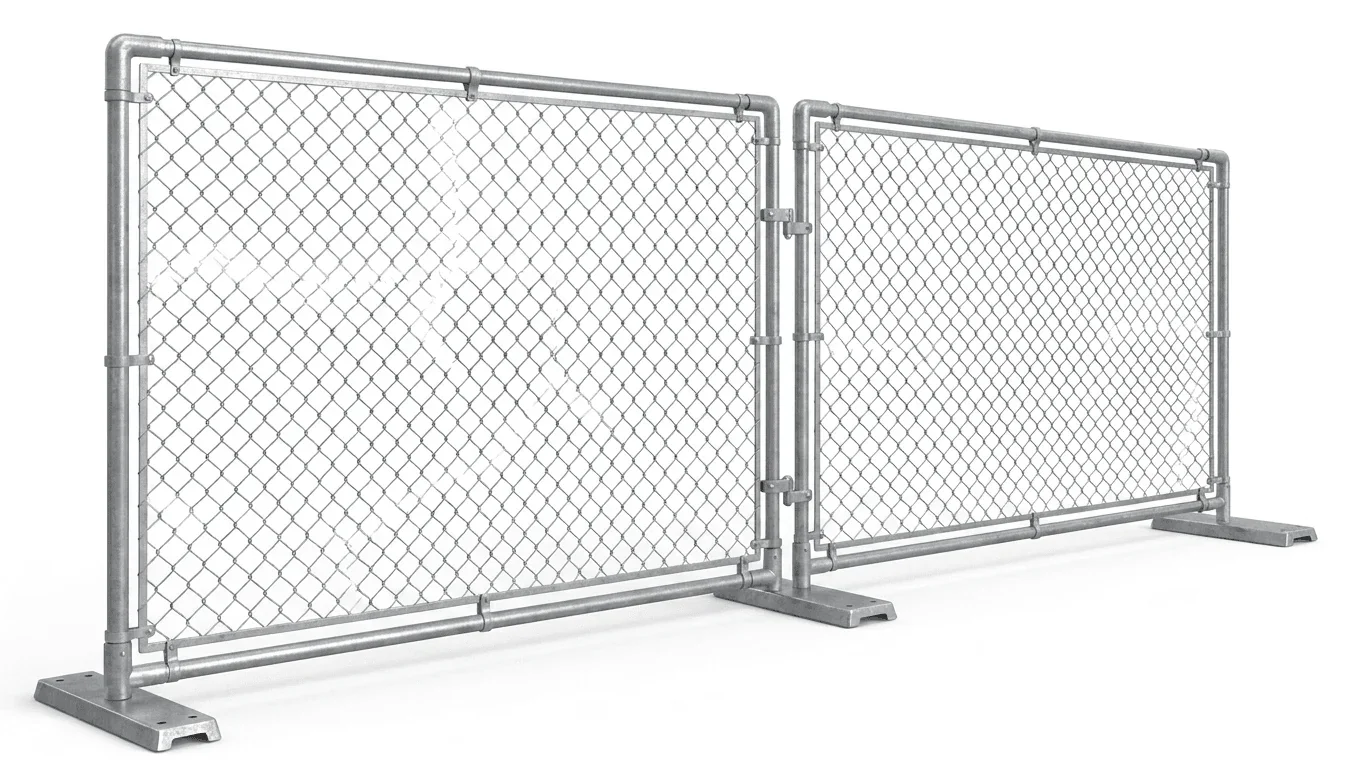
- Soft, high-moisture soils can let bases settle. Wider footings, site-stability factors, or ground mats help distribute load along lawns or fill.
- Wind and storm bands require attention to panel height, site-stability factors, and tie patterns. Always follow the product’s instructions and site procedures for severe weather.
Access, gates, and deliveries
- Map service gates to align with the narrowest approach for equipment and supplies. Keep clear swings for forklifts and shorter wheelbases.
- For night work, integrate panel lines with /generators-light-towers-rental/ placements to avoid glare into public ways.
Working near aerial equipment
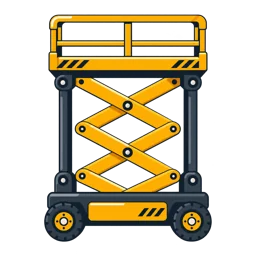
- Barricade lines should anticipate platform reach and wheel swing for /electric-scissor-lift-rental/ indoors and /articulating-boom-lift-rental/ outdoors.
- On soft surfaces, consider the effect of site-stability factors placement on adjacent lift pads or mats so one system does not undermine the other.
Quick planning checks
- Surface support and site-stability factors method
- Panel height and visibility needs for events vs. industrial sites
- Gate count and locations relative to equipment routes
- Drainage and trip-free footing along public edges
A stable, readable fence plan in New Orleans comes from balancing soft ground, changing weather, and tight urban circulation with the equipment working inside the line.