Start with the job geometry
- Where can the generator or light plant sit relative to the work? Long cable and cord runs across narrow alleys or courtyards in historic districts add voltage drop and trip hazards.
- Does the job require units to pass through low clearances or turn inside tight service lanes? Compact footprints help in older blocks and along dense waterfront facilities.
- Can refueling and maintenance be done without blocking lifts or material routes? Separate the plant pad from lift access when possible.
Local conditions that change the comparison
- Heat and humidity in New Orleans can strain cooling systems and shorten effective runtime. Units with clean airflow paths and maintained filtration are more predictable through hot spells.
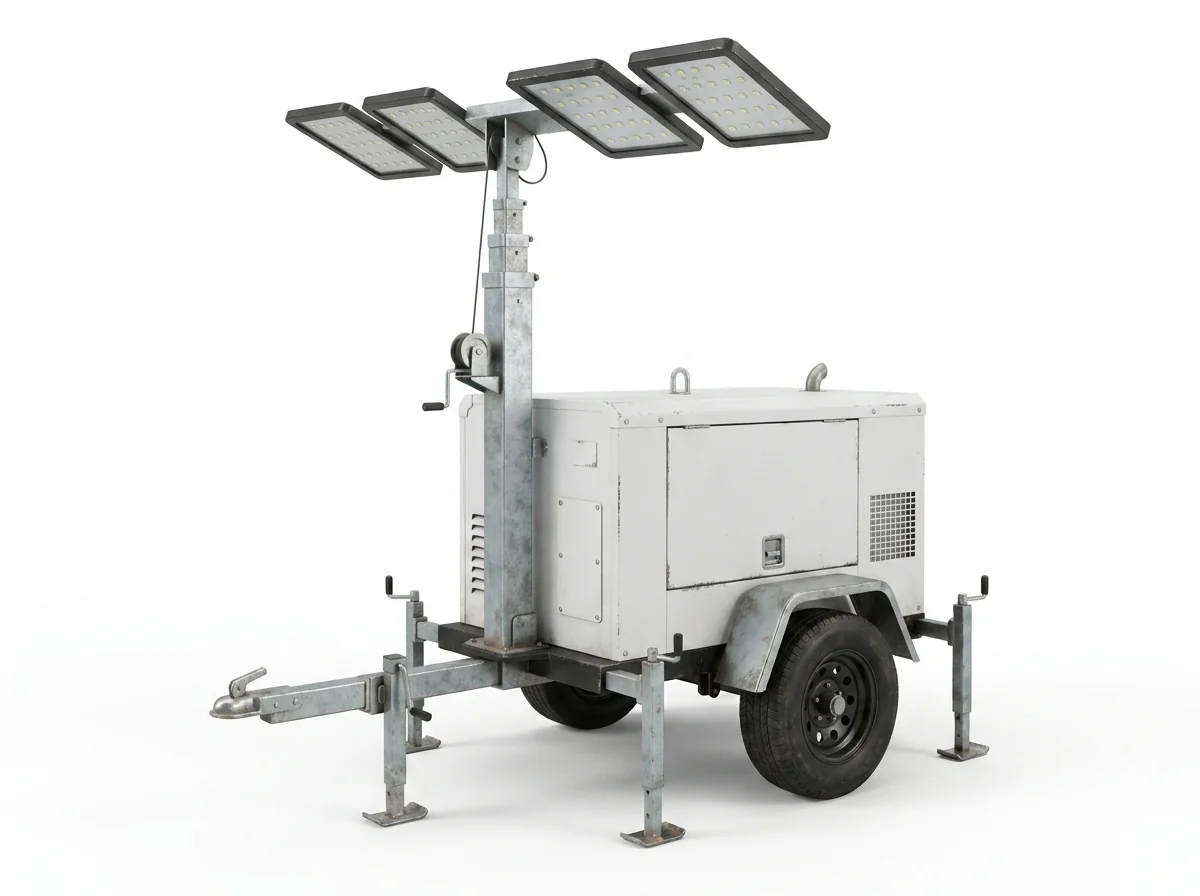
- Soft, moisture-prone soil and clay demand stable footing. Outrigger pads or ground protection mats reduce sink risk for towable light towers placed on turf or fill.
- Coastal exposure and intermittent storms call for weather-ready enclosures and secure mast staging. Always follow the unit’s instructions and site procedures for severe weather and elevated equipment.
Sizing and placement constraints
- For generators: list the total running load and the highest motor-starting demand. Distance to the distribution point, cable gauge, and the number of bends can push you to the next size class.
- For light towers: identify the target work plane (parking lots, laydown yards, or loading aprons) and whether spill light must be minimized near residences or historic facades. Mast height and fixture type affect coverage and glare.
- Access route: note gate width, curb cuts, and any weight limits on alleys or temporary decking. Towable units and skid-mounted sets handle different approaches.
Coordination with other site equipment
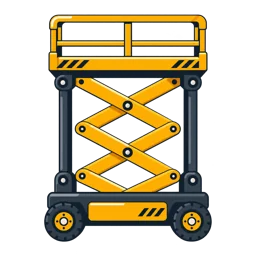
- Night work around scissor lifts, boom lifts, or telehandlers benefits from uniform illumination and clear cable routing. See aerial options at /aerial-lift-rental/, /boom-lift-rental/, and /rough-terrain-scissor-lift-rental/.
- Storage planning matters when storm bands pass through. Lockable space for fuel, cords, and distribution is outlined at /storage-containers-rental/.
Checklist before you compare models
- Work window and expected ambient temperature range
- Load profile (continuous vs. surge) and distribution distance
- Ground bearing conditions and need for mats or pads
- Access width/grade for delivery and refueling
- Nearby light-sensitive areas and required cutoff optics
Dependable power and light in New Orleans come from matching placement and cooling needs to the site’s heat, moisture, and ground conditions, then confirming that the route and footprint fit the block you’re working in.