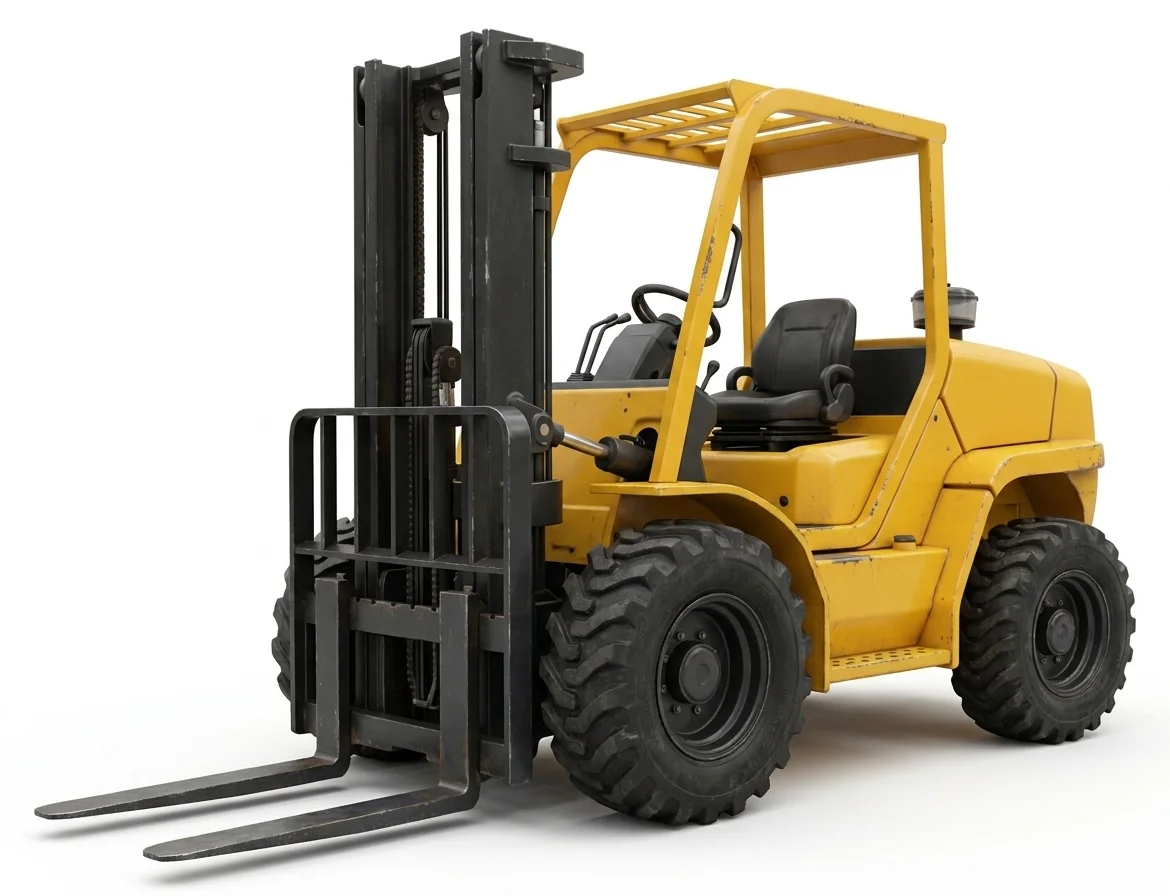
Start with the route the forklift must travel
Trace the path from staging to set-down:
- Smooth interior slab only: cushion-tire indoor units fit smaller aisles and tighter turns
- Mixed interior/exterior with expansion joints and wet aprons: pneumatic-tire or outdoor-capable models handle transitions better
- Narrow doorways or freight elevators: confirm collapsed mast height and overall width
If the job requires elevated placement beyond basic stacking, compare /telehandler-rental/.
Local surfaces and moisture
High humidity and frequent wet conditions around docks in New Orleans, LA can influence traction and braking on smooth floors. Outdoor areas may overlay soft subgrades that deflect under point loads. Planning usually includes verifying floor ratings, ramp grades, and the need for non-marking tires in finished spaces.
Capacity and mast choices
- Rated capacity at a given load center: match to pallet dimensions and any overhang
- Mast type and free lift: important where overhead sprinklers or low mezzanines exist
- Fuel and emissions: electric for enclosed interiors; internal combustion for open or ventilated areas
Typical local applications
- Cross-dock moves between trailers and warehouse racks
- Event build-outs where equipment is rolled in on smooth floors
- Light industrial handling where indoor storage meets outdoor staging yards
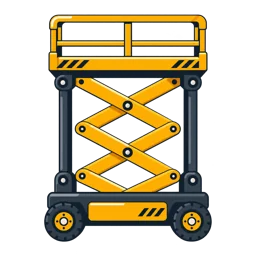
For personnel access to install or focus equipment after materials are staged, compare /vertical-mast-lift-rental/ or /electric-scissor-lift-rental/.
Actual conditions, the selected unit’s instructions, and site procedures govern material handling.
Related links
- Elevated placement: /telehandler-rental/
- Person-lifts overview: /aerial-lift-rental/