Job geometry outdoors
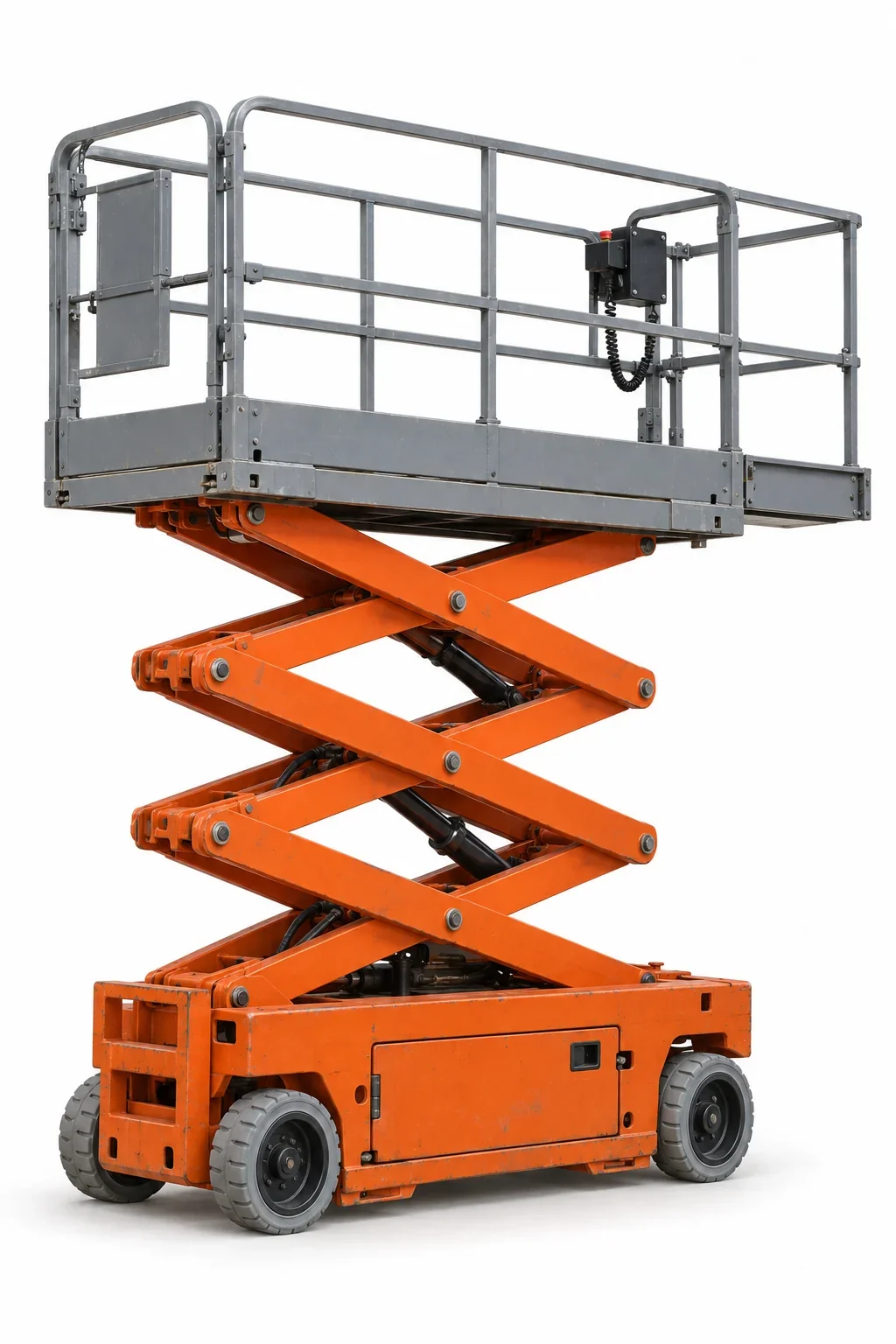
A rough-terrain scissor lift suits straight-up access to façades, signage, and exterior MEP work. If obstacles require reaching over roofs, canopies, or piping, a boom lift may be the better geometry. Start by confirming the platform can park directly beneath the work area with safe approach and egress.
Ground truth in New Orleans
Soft, high-moisture soils across the region can reduce bearing capacity. That often leads to the use of wider tires, supportive outriggers, or ground protection mats per site planning. Recent rainfall, drainage, and subsurface conditions may narrow the window for productive work and dictate machine size.
Platform size, capacity, and staging
These units are chosen for their roomy decks and higher capacities. Long materials—panel sections, duct runs, framing—tend to fit better on wider platforms. Plan staging so materials travel the shortest path over uneven surfaces, and confirm ground pressure limits along that route.
Heat, humidity, and service cycles
Extended exposure to heat and humidity places additional load on cooling systems and hydraulics. Well-maintained units with strong cooling are preferred for long exterior shifts in the regional climate.
When to consider a boom instead
If the work zone is set back behind landscaping, railings, or equipment yards, the up-and-over reach of an articulating or telescopic boom often wins. See /boom-lift-rental/ or the broader /aerial-lift-rental/ overview to compare.
Related pages: - Electric indoor units: /electric-scissor-lift-rental/ - Aerial options overview: /aerial-lift-rental/ - Boom alternatives: /boom-lift-rental/
Actual site conditions, the selected unit’s instructions, and site procedures govern exterior or elevated work.