Start with the obstacle map
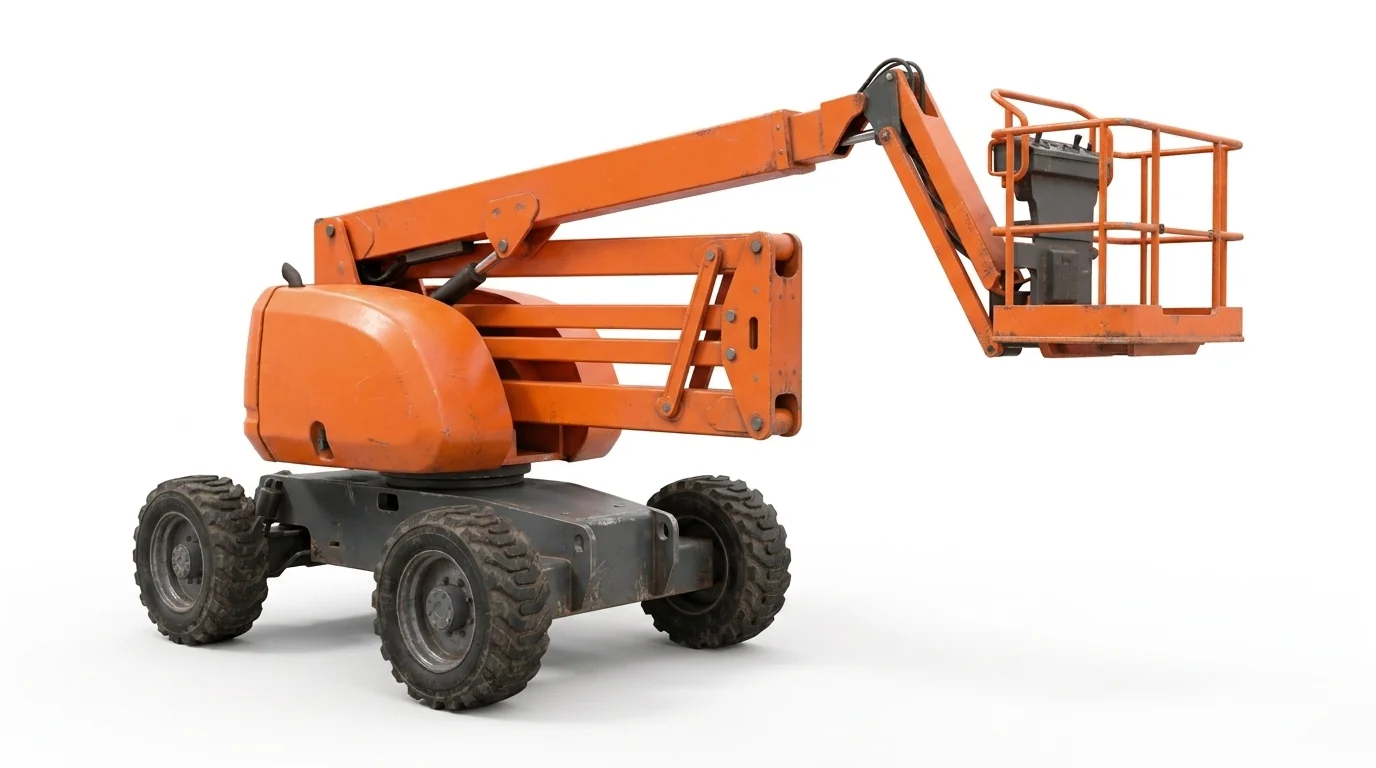
- Articulating booms: jointed arms bend around canopies, pipe racks, and scenery. Useful where approach lanes are tight or the target is tucked behind architectural features.
- Telescopic booms: straight masts extend over distance with better horizontal reach when there’s room to set back.
How New Orleans changes the choice
Soft, high-moisture soils reduce ground bearing capacity and can limit where a boom can sit or travel. Sites near waterways and open yards may need ground protection strategies or a different setup than a dry, compacted lot. Heat and humidity place added load on cooling systems and hydraulics, so units with robust cooling perform more consistently during long exterior shifts.
Key measurements before selecting a boom
- Horizontal offset from safe parking spot to the target
- Vertical target height and overhead obstructions
- Approach width, gate clearances, and turning radius along the travel path
- Surface type, slope, and drainage patterns after rain
Typical local applications
- Exterior building maintenance where façades are set back behind landscaping: articulating booms navigate the path.
- Industrial maintenance needing long straight reaches across open aprons: telescopic booms cover the distance efficiently.
- Event and film work requiring precise basket placement around rigging or sets: compact articulating units fit controlled interiors or courtyards.
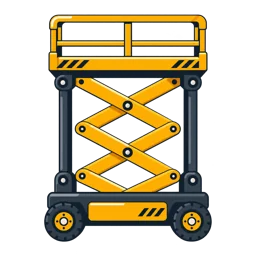
When a scissor lift is better
If the platform can sit directly beneath the task and a larger deck is needed for materials, a scissor lift may be faster to stage. Compare at /aerial-lift-rental/ or see scissor categories: /electric-scissor-lift-rental/ and /rough-terrain-scissor-lift-rental/.
Actual site conditions, the selected unit’s instructions, and site procedures govern exterior or elevated work.