When a straight boom is the better match
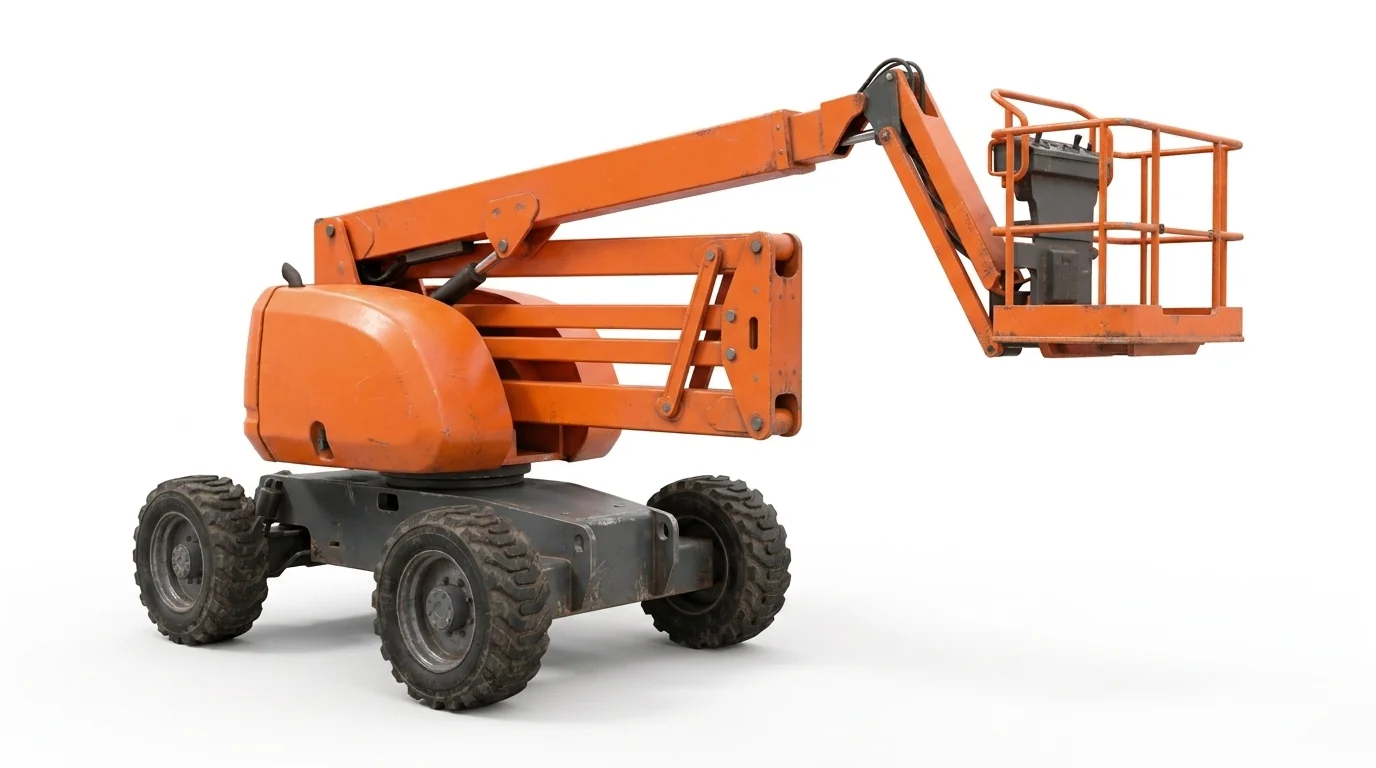
If the work area is not blocked by balconies, galleries, or pipe bridges, a telescopic boom usually reaches farther and positions faster than an articulating model. It is well suited to façade repair on open elevations, exterior steel work, and tasks where you can park at a safe distance.
Compare at /articulating-boom-lift-rental/ if an obstacle sits between the base and the work.
Ground conditions around New Orleans, LA
Soft, high‑moisture soils are common and can vary even within the same site. Planning typically looks at ground bearing capacity, slope, and the need for mats or cribbing consistent with the chosen unit’s requirements. For levee-adjacent or recently graded surfaces, verify support conditions before committing to a large boom.
Humidity and heat in the regional climate influence cooling and hydraulics, especially on long duty cycles. Electric or hybrid options may be preferred for indoor or partially enclosed work where ventilation is limited.
Sizing factors that narrow the field
- Required platform height and maximum horizontal outreach
- Minimum tail swing and transport width for the access route
- Ground clearance and tire type matched to site surface
- Power source: diesel for open-air endurance, electric/hybrid for indoor segments
If the task is vertical without a long horizontal shot, compare /electric-scissor-lift-rental/ for interior bays or /rough-terrain-scissor-lift-rental/ for exterior slab work.
Typical local applications
- Long-reach exterior maintenance along open elevations
- Industrial site work where the chassis can sit back from the structure
- Signage, lighting, and exterior rigging where a clear approach path exists
Actual conditions, the selected unit’s instructions, and site procedures govern setup and use.
Related links
- Up-and-over access: /articulating-boom-lift-rental/
- All boom options: /boom-lift-rental/
- Material placement support: /telehandler-rental/