Decide by load, placement, and ground
Start with three questions:
- What is the maximum load weight and the farthest reach or lift height needed?
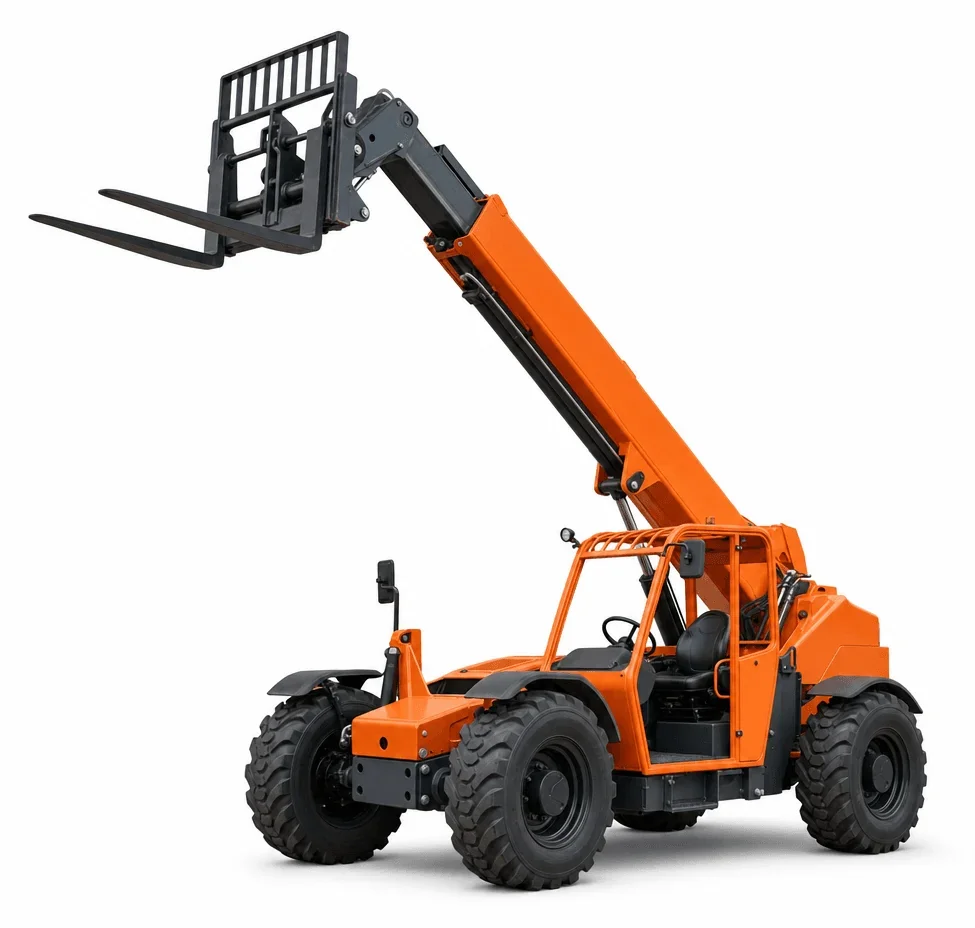
- Can the machine sit below the placement point and extend the load safely within the charted capacity?
- What are the soft-ground or moisture conditions along the travel path?
If the lift stays at ground level inside smooth-floor buildings, compare /forklift-rental/.
Local surface considerations
Soft alluvial soils and saturated areas are common in New Orleans, LA. Travel paths and staging pads often require attention to bearing pressure and slope in line with the chosen unit’s instructions. Foam-filled or rough-terrain tires are typical for exterior work; non-marking options may be considered when crossing finished interiors.
Sizing and attachments planning
- Capacity versus reach: check the load chart at the intended boom angle and extension
- Carriage type: standard forks for pallets; specialized carriages can help align loads onto ledges or decks
- Frame leveling and stabilizers where applicable: confirm site allowances and ground support
- Transport width and turning radius: measure the narrowest gate, alley, or corridor on the route
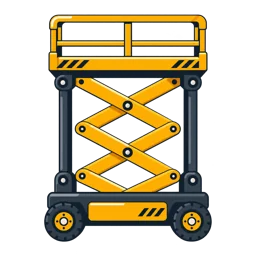
For placing equipment onto mezzanines inside large venues, verify overhead clearance and ventilation; electric scissor lifts at /electric-scissor-lift-rental/ may assist with installation work once materials are staged.
Typical New Orleans use cases
- Moving pallets across mixed surfaces between warehouse aprons and staging yards
- Setting mechanical units on platforms where direct forklift access is blocked
- Supporting event build-outs where materials must be placed at balcony or catwalk level
Actual conditions, the selected unit’s instructions, and site procedures govern lifting and placement.
Related categories
- Ground-level handling: /forklift-rental/
- Person-lift access after materials are staged: /boom-lift-rental/ and /vertical-mast-lift-rental/