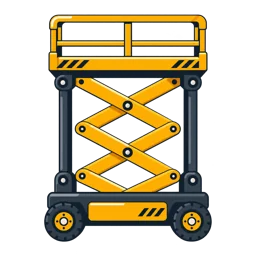
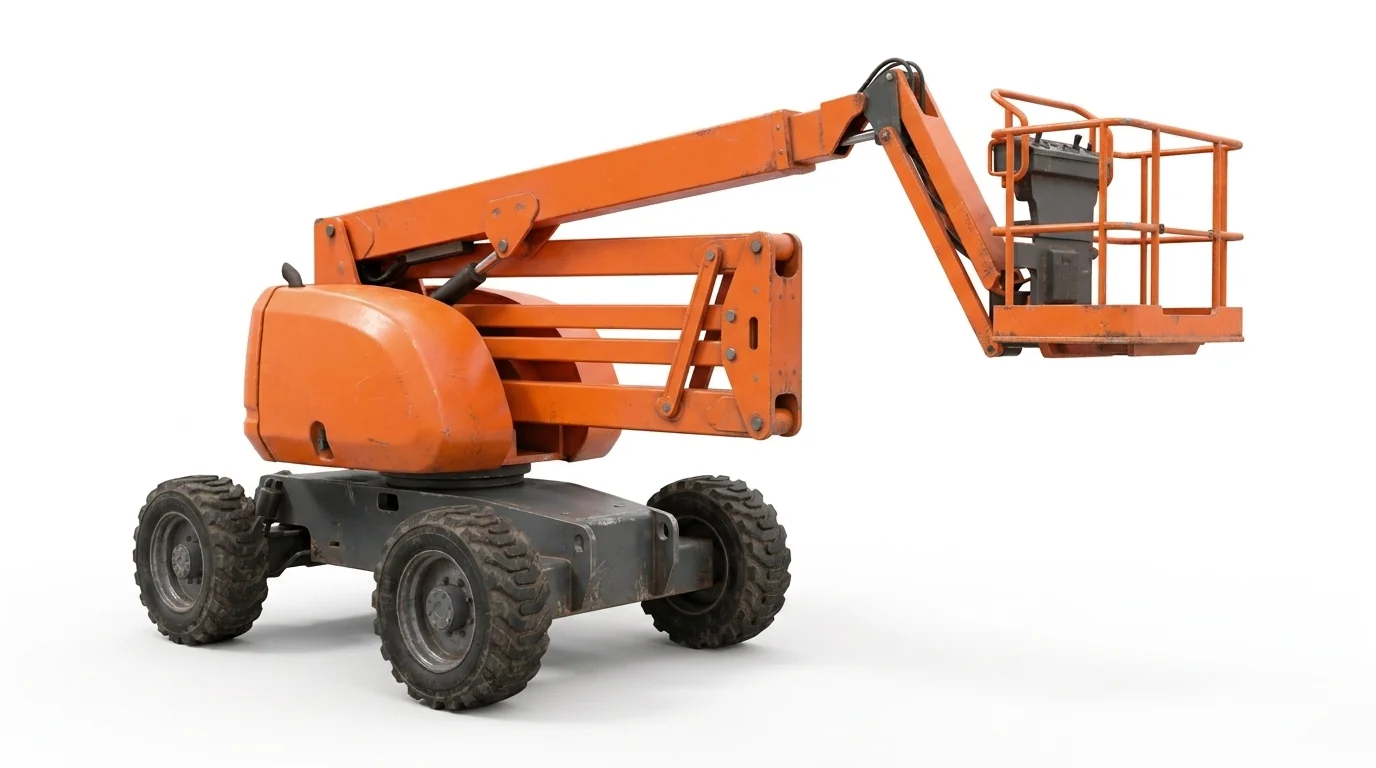
Three common geometries
- Straight up from below: scissor lifts work when the platform can sit directly under the task.
- Up-and-over around obstacles: articulating booms clear pipes, canopies, and staging.
- Straight reach across distance: telescopic booms cover long horizontal spans when space allows.
Local factors that change the comparison
- Access width and stowed height for older buildings and service corridors
- Soil bearing and drainage for exterior yards and waterfront-adjacent work
- Heat and humidity that favor units with robust cooling and fresh hydraulic service
Choosing among classes
- Electric scissor lifts: quiet, zero on-site exhaust for interiors and conditioned spaces. See /electric-scissor-lift-rental/.
- Rough-terrain scissor lifts: wide platforms for exterior vertical work on uneven ground. See /rough-terrain-scissor-lift-rental/.
- Articulating booms: up-and-over flexibility around structures and landscaping. Compare under /boom-lift-rental/.
- Telescopic booms: long straight reach for open sites and set-back targets. See /boom-lift-rental/.
Measurements that narrow size
- Target working height and overhead clearance
- Doorway, hallway, and elevator dimensions on the travel path
- Minimum turning radius and machine width for historic corridors
- Surface type, slope, and anticipated moisture after rain events
Where each type shows up locally
- Convention and event buildouts: compact electrics for quiet interior changes
- Film production: mixed fleets—indoor slab lifts and exterior booms or rough-terrain scissors
- Maritime and industrial maintenance: higher capacities and rugged tires for uneven surfaces
Actual site conditions, the selected unit’s instructions, and site procedures govern exterior or elevated work.